Google Stitch vs Figma Make: I Tested Both
Key Takeaways: Google Stitch is free, canvas free, and outputs a developer friendly Design.md spec — ideal for solo devs and rapid 0 to 1 ideation Figma Make went credit based in March 2026 and only makes sense if you're


Key Takeaways:
- Google Stitch is free, canvas-free, and outputs a developer-friendly Design.md spec — ideal for solo devs and rapid 0-to-1 ideation
- Figma Make went credit-based in March 2026 and only makes sense if you're already deep in a Figma team workflow
- Neither tool ships production-ready React code today — but Stitch's output is closer to what developers actually need
- For vibe coding, Stitch wins cleanly; for design-team handoffs, Figma Make has the edge
In This Article
- Two Different Bets on How UI Gets Built
- What Is Google Stitch?
- What Is Figma Make?
- How Each Tool Handles Prompts
- Google Stitch vs Figma Make: Feature Breakdown
- Code Output: The Part Nobody Gets Right
- Pricing: $0 vs Credits
- When to Use Which Tool
- Verdict
- FAQ
Two Different Bets on How UI Gets Built {#two-different-bets}
Most articles comparing Google Stitch vs Figma Make frame it as "free vs paid" or "Google vs Adobe." That framing misses the actual story.

These two tools represent a real philosophical split in how AI-assisted design should work. Stitch bets the canvas is dead — you describe what you want in plain English, a UI appears. Figma Make bets the opposite: designers still want the canvas, they just want AI to speed up what happens inside it.
One of these bets is aging better.
After running both tools on the same projects, I have opinions. And honestly? The winner probably isn't who you'd guess based on the marketing copy.
(If you've already used Stitch and want to go deeper, our Google Stitch tutorial covers the full prompt workflow with what actually works.)
What Is Google Stitch? {#what-is-google-stitch}
Google Stitch is a free AI UI design tool from Google Labs. It doesn't give you a canvas. You just... describe the UI you want, and it generates one.
The output isn't a Figma file or a PNG. Stitch produces two things: a visual UI preview you can interact with in-browser, and a Design.md file — a Markdown-based design spec that lists components, color tokens, typography, layout logic, and interaction notes in plain text.
That Design.md thing sounds boring. It's not. It's actually the most developer-useful output format any AI design tool has shipped.
A few other things worth knowing in 2026:
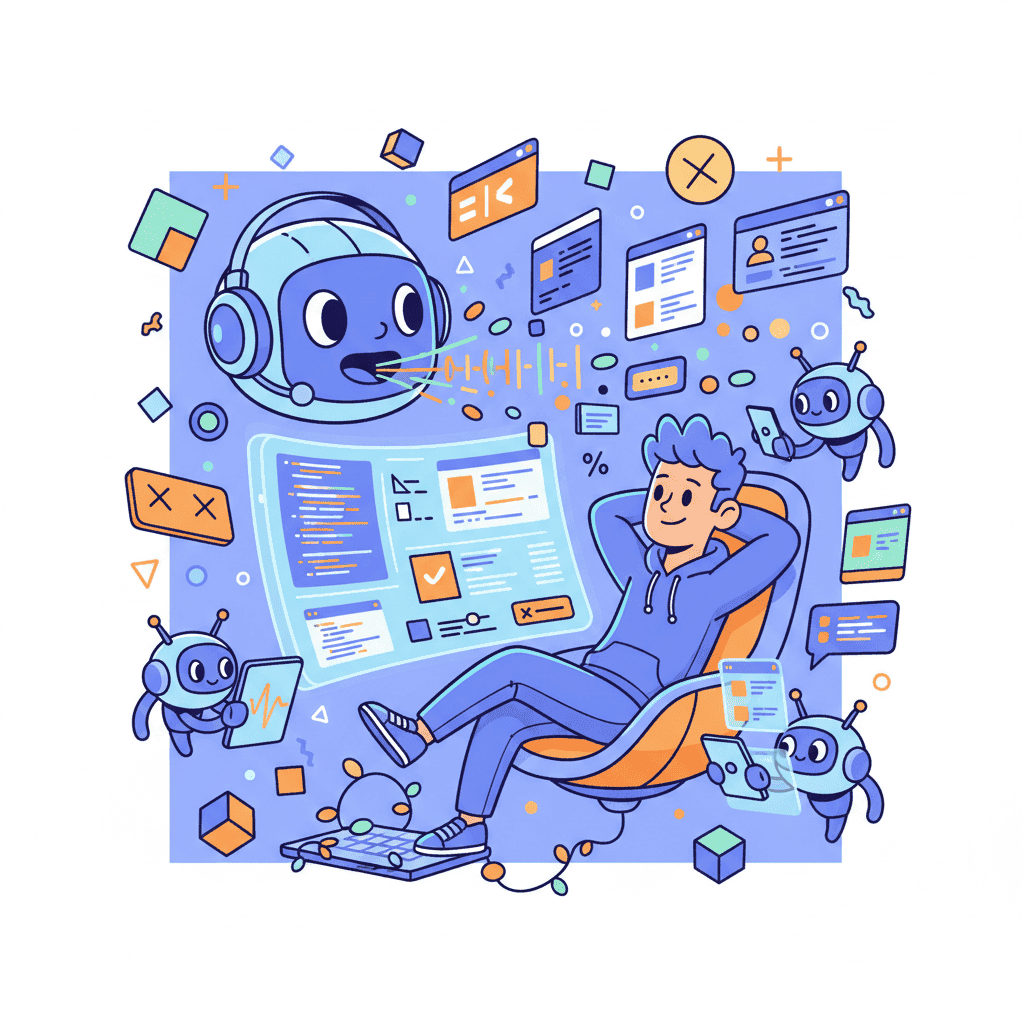
- Voice control: Stitch added keyboard-free workflow — you can talk through your UI like you're explaining it to a colleague
- Figma export: if you need a Figma handoff, you can push the Design.md output into Figma
- Free, no account required in the basic tier: generate as many variations as you want without watching a credit counter tick down
Stitch is meant for the 0-to-1 phase. Explore ideas fast, kill bad ones faster.
What Is Figma Make? {#what-is-figma-make}
Figma Make is Figma's AI layer — not a separate tool, but an AI feature built directly into the Figma editor. Describe what you want, and it generates design components directly onto your existing Figma canvas. It's powered by Claude Sonnet 4, which is a solid choice for design generation.

The critical context: Figma Make went credit-based in March 2026. Before that, many Figma plan tiers got unlimited generation. Now, every generation costs credits. For design teams generating occasionally inside a Figma Organization plan, it's probably bundled. For solo developers grinding through 20 landing page variations in an afternoon, it adds up.
Figma Make is for people who already live in Figma. If you're not already on a Figma team plan, you're paying for a tool you wouldn't otherwise need, just to access this one feature.
For context on the broader Figma-to-code ecosystem — including how Figma Make compares to Locofy, Builder.io Visual Copilot, and others — our Figma to code tools guide has the full breakdown.
How Each Tool Handles Prompts {#how-each-tool-handles-prompts}
Let me give you the same prompt run through both tools:
Prompt: "A SaaS landing page for a project management tool. Clean hero section with bold headline, gradient background (deep blue to purple), a 3-column feature grid, and a bright CTA button."
Stitch's workflow:
Paste the prompt → wait a few seconds → visual preview appears. It looks clean. Maybe 70% of what you'd want in production. The Design.md file lists out: hero component, headline typography, gradient CSS values, feature card structure, button style. No Figma required. No plugins.
The preview is interactive — you can click around, check hover states. When you're happy, export the Design.md and hand it to your AI coder of choice.
Figma Make's workflow:
Open Figma → create or open a file → trigger Make → paste the prompt. It generates onto the canvas, typically as properly structured Figma components with auto-layout. The output looks more polished than Stitch — better spacing, proper Figma variables, cleaner visual hierarchy.
But here's what takes the shine off: you're now in Figma. Getting from that Figma file to usable React code requires either Figma's dev mode, a code export plugin, or manually inspecting styles. That's friction Stitch doesn't have.
Google Stitch vs Figma Make: Feature Breakdown {#google-stitch-vs-figma-make-feature-breakdown}
| Feature | Google Stitch | Figma Make |
|---|---|---|
| Price | Free | Credit-based (March 2026) |
| Requires Figma | No | Yes |
| AI model | Google (Gemini family) | Claude Sonnet 4 |
| Input method | Prompt or voice | Prompt (text only) |
| Output format | Design.md + UI preview | Figma design file |
| Developer-friendly output | ✅ Yes | ⚠️ Via plugins |
| Voice control | ✅ Yes | ❌ No |
| Figma handoff | Export to Figma | Native |
| Works without Figma account | ✅ Yes | ❌ No |
| Iteration speed | Fast | Moderate |
| Design polish | Good | Excellent |
| Best for | Solo devs, rapid ideation | Design teams in Figma |
Code Output: The Part Nobody Gets Right {#code-output}
Here's what most comparison articles miss: they judge AI design tools by how the mockups look in screenshots. That's the wrong test.
The real question is: how close does the output get you to shippable code?
Both tools fall short of production-ready in 2026. But they fail differently.
Stitch's Design.md is genuinely useful for developers. It's a structured spec — component hierarchy, color tokens, layout decisions, spacing — in plain text. Feed it into Claude Code or Cursor and you'll get meaningfully better generated code than if you'd started from scratch. The AI coder has context. That context matters.
Figma Make's output looks better in a Figma file. Real components, proper constraints, organized layers. But if you want code, you're now dependent on Figma's dev mode or third-party plugins. Those tools have improved, but the friction is real. You're adding a conversion step that Stitch skips entirely.
I'll die on this hill: a text-based design spec beats a pretty Figma file for developers. Figma files are for designers talking to designers. Design.md is for developers talking to AI coders.
Pricing: $0 vs Credits {#pricing}
Let's not dress this up.
Google Stitch: Free. Google Labs experiment, no credit meter running in the background. Generate 50 variants of a landing page on a Tuesday afternoon, no consequences.
Figma Make: Credit-based since March 2026. The cost depends on your Figma plan. Figma Professional plan users get a monthly credit allocation; Figma Organization teams likely have it bundled. Solo developers on a Starter plan? Credits run dry faster than you'd expect during a heavy prototyping session.
For the kind of rapid, iterative vibe coding workflow where you're burning through variations to find what works — Stitch's free tier is a structural advantage, not just a nice bonus.
When to Use Which Tool {#when-to-use-which-tool}
Choose Google Stitch when:
- You're in early ideation and need to kill bad ideas quickly
- You're coding solo or in a small team without a Figma subscription
- You want Developer-friendly output to feed into Claude Code, Cursor, or Copilot
- Cost matters (it usually does)
- You like the idea of building UIs by talking, not clicking
Skip Stitch when:
- Your team needs pixel-perfect design files for stakeholder reviews
- Design handoff to a separate design system is a requirement
- You need Figma's collaboration and version control
Choose Figma Make when:
- You're already paying for a Figma team plan
- You need designs to live natively inside your Figma workflow
- Design handoff to developers happens through Figma dev mode
- Polish and visual fidelity matter more than iteration speed
Skip Figma Make when:
- You don't have a Figma subscription
- You're doing high-volume prototyping (credit costs stack up)
- You want to go straight from design to code without a conversion step
Verdict {#verdict}
For developers doing vibe coding in 2026: Google Stitch wins, and it's not particularly close.
It's free. It's fast. The Design.md output slots into AI-powered coding workflows better than any Figma file ever will. If your goal is to explore a UI idea and then build it — Stitch is the right tool for that loop.
Figma Make is good. Really good, actually. But it's designed for design teams, not developers. If you're reaching for it hoping AI will make UI generation easier and cheaper, you're using a tool that wasn't built with your workflow in mind. The credit costs and Figma dependency are too punishing for anyone outside a committed Figma organization.
The third path — and worth considering — is skipping the design phase entirely and going straight from idea to live product. If you're building a business website or landing page and don't need the design-to-handoff workflow at all, Fardino closes that loop without any design tool in the middle: describe your site, it builds and deploys a real one.
You Might Also Like
- Google Stitch Tutorial: From Prompt to UI in Minutes — Tested prompts and the full Stitch workflow, with Design.md tips that actually save time
- Figma to Code in 2025: The Best AI Tools Compared — The broader Figma AI ecosystem: Figma Make, Locofy, Builder.io Visual Copilot, and more
- Skip Design: Prompt-to-Code is 10x Faster — Why more developers in 2026 are dropping design tools entirely before the first line of code
Frequently Asked Questions
Is Google Stitch better than Figma Make for developers?
Yes, for most developers. Stitch is free, prompt-native, and outputs Design.md specs that pair well with AI code editors like Claude Code or Cursor. Figma Make produces more polished designs but requires a Figma subscription and went credit-based in March 2026 — making it expensive for rapid iteration.
Does Figma Make generate production-ready code?
Not directly. Figma Make generates Figma design files, not code. To get code from a Figma Make output, you need Figma's dev mode, a plugin like Builder.io or Anima, or manual CSS inspection. The code quality depends heavily on the plugin, not Figma Make itself.
What is Google Stitch's Design.md format?
Design.md is a Markdown-based design specification that Stitch generates alongside its visual UI preview. It describes components, layout structure, color tokens, typography scale, and interaction notes in plain text — making it easy to feed into AI coding tools as structured context.
Can I use Google Stitch without a Figma account?
Yes. Stitch is a standalone Google Labs tool. No Figma account required. You can optionally export your Stitch output to Figma if you want to hand off to a design team, but it's never a requirement.
Which AI design tool is better for vibe coding?
Google Stitch. It's built for the prompt-first, iteration-heavy way most developers use AI tools. The output format (Design.md) plays nicely with AI code editors, and the free pricing means you can iterate without watching a credit balance drop.
Is Figma Make worth the credits in 2026?
If you're on a Figma Organization plan and already doing design work in Figma — yes, it's a solid upgrade to your existing workflow. If you're a solo developer who doesn't have a Figma plan already? Probably not. The entry cost and credit system weren't designed for individual developers prototyping fast.
Written by the 0xMinds Team — we test AI tools so you don't have to. Build a website with AI →
Got an idea? Build it now.
Describe the site or app you want — Fardino turns it into a live website.